The endless pursuit of efficiency
We are never short of expansions for ”e” in eLab. “e” stands for energy, efficiency, embedded, exploration…
“e” stands for the endless pursuit of efficiency. Whether it is an emerging mobile platform or an established computing system, all electronic devices rely on energy. Energy efficiency, i.e., providing the same quality of user experience using less energy, has numerous benefits. At the personal level, it means longer battery life and more freedom. At the organizational level, it means huge savings in operating costs. Finally, at the society level, energy efficiency has huge environmental and economic benefits, especially with the rise of energy-hungry AI models.
Energy-Efficient Embedded Exploration
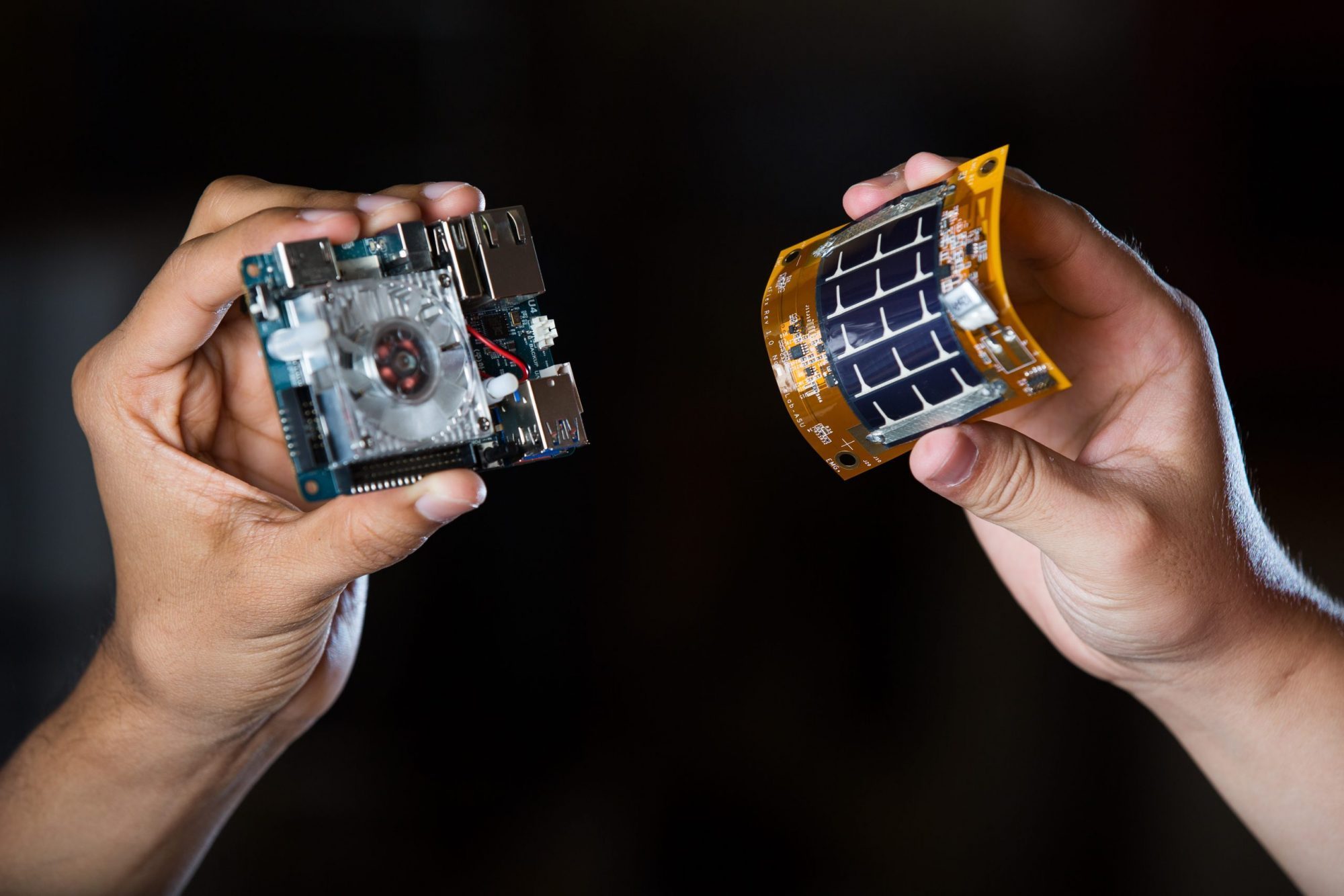
eLab conducts research at the intersection of computer architecture, embedded systems, design automation, and machine learning systems. Our mission is to design, model, and optimize energy-efficient computing platforms that address the increasing demands for performance, power efficiency, thermal management, and reliability in emerging applications.
Modern computing systems increasingly rely on heterogeneous integration, chiplet-based architectures, domain-specific accelerators, and tightly coupled hardware-software co-design. While these trends present new opportunities, they also introduce significant challenges in communication, power delivery, thermal management, runtime scheduling, and design-space exploration. eLab develops models, algorithms, tools, and open-source research tools to address these challenges throughout the computing stack.
Our current research encompasses heterogeneous and chiplet-based architectures, AI and large language model (LLM) acceleration, network-on-interposer design, power and thermal modeling, runtime resource management, processing-in-memory systems, edge AI, wearable health platforms, and human-centered sensing. In all these areas, we emphasize cross-layer design methodologies that integrate applications, algorithms, architectures, circuits, packaging, and runtime systems.
Recent news on eLab:
Archived:
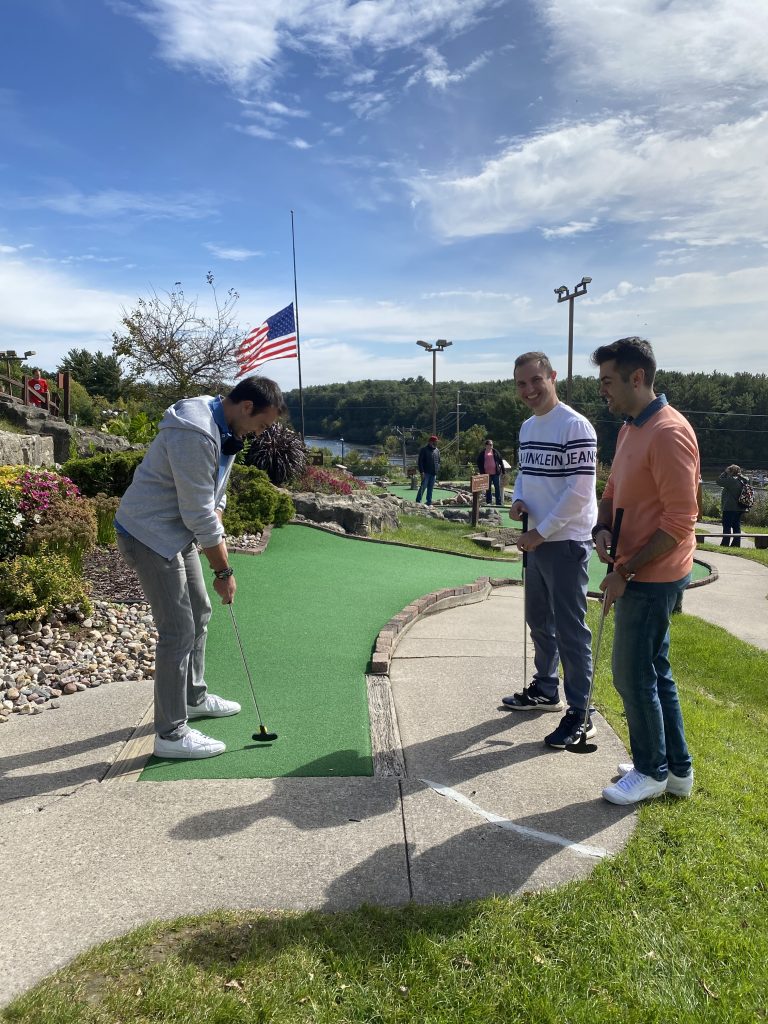
Wisconsin Dells Trip
Mini Golf and Hibachi lunch in Wisconsin Dells.
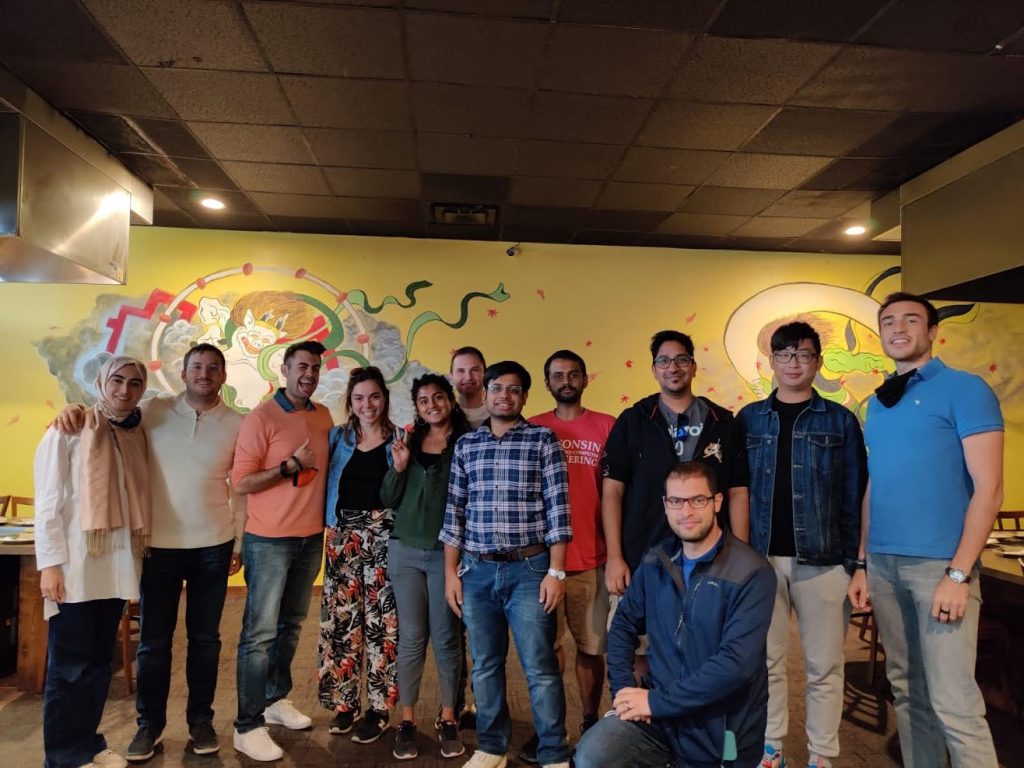
Wisconsin Dells Trip
Mini Golf and Hibachi lunch in Wisconsin Dells.
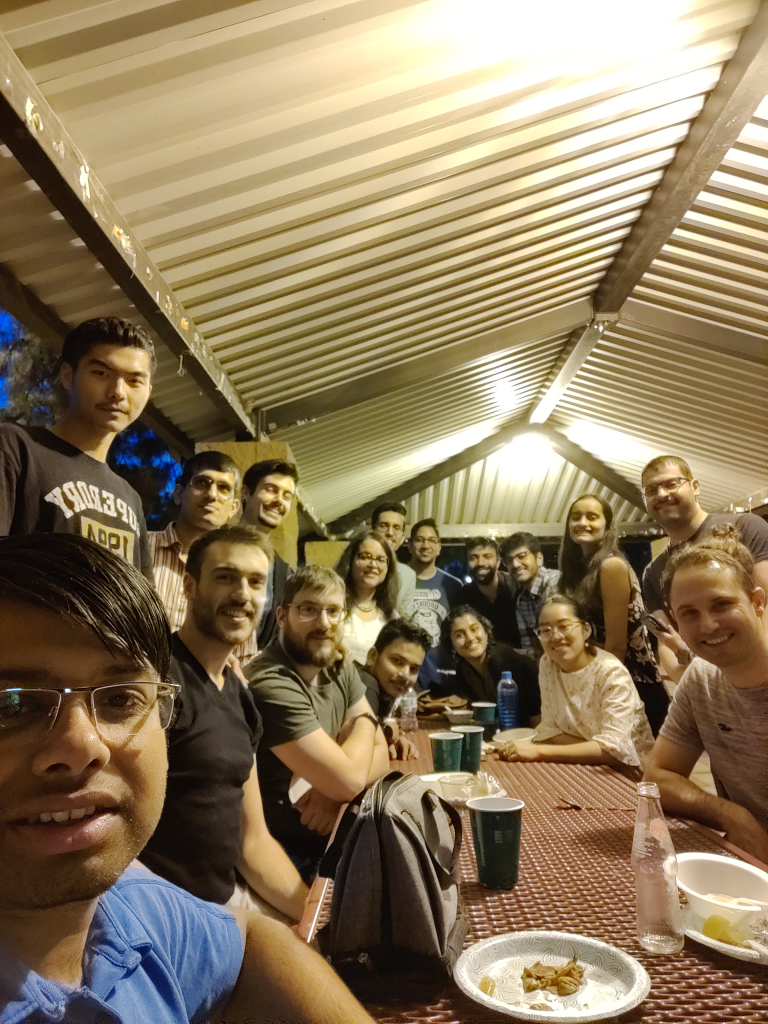
Picnic in Fall 2019
Our last big group event before Covid-19
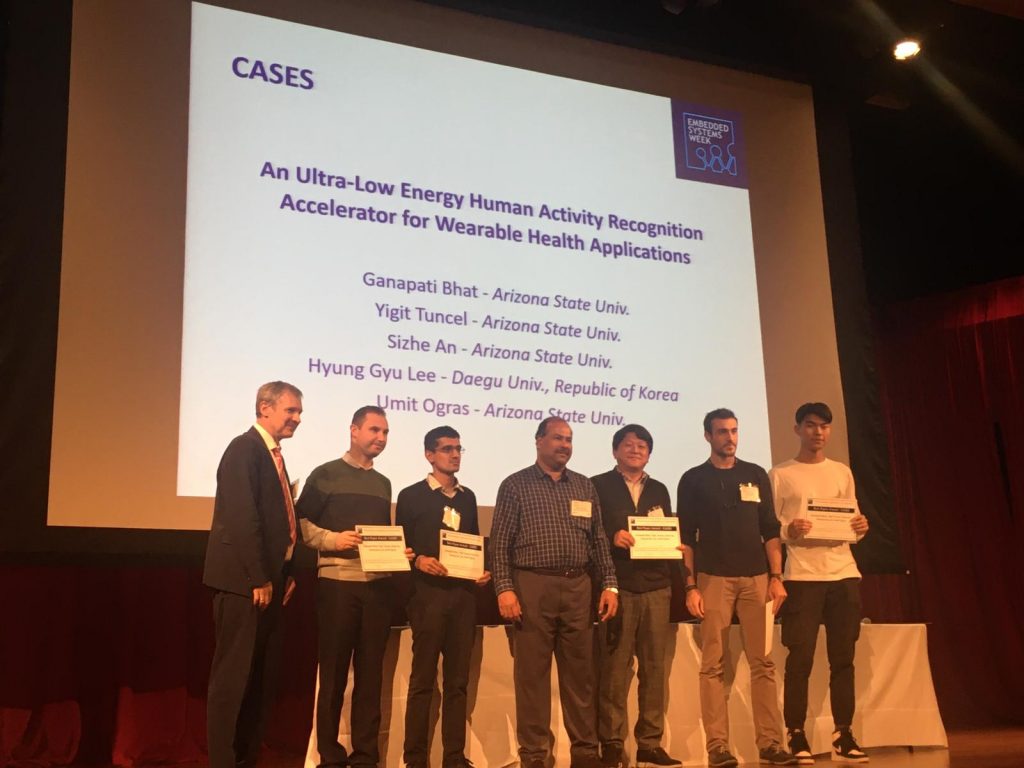
CASES 2019
CASES 2019 Best Paper Award
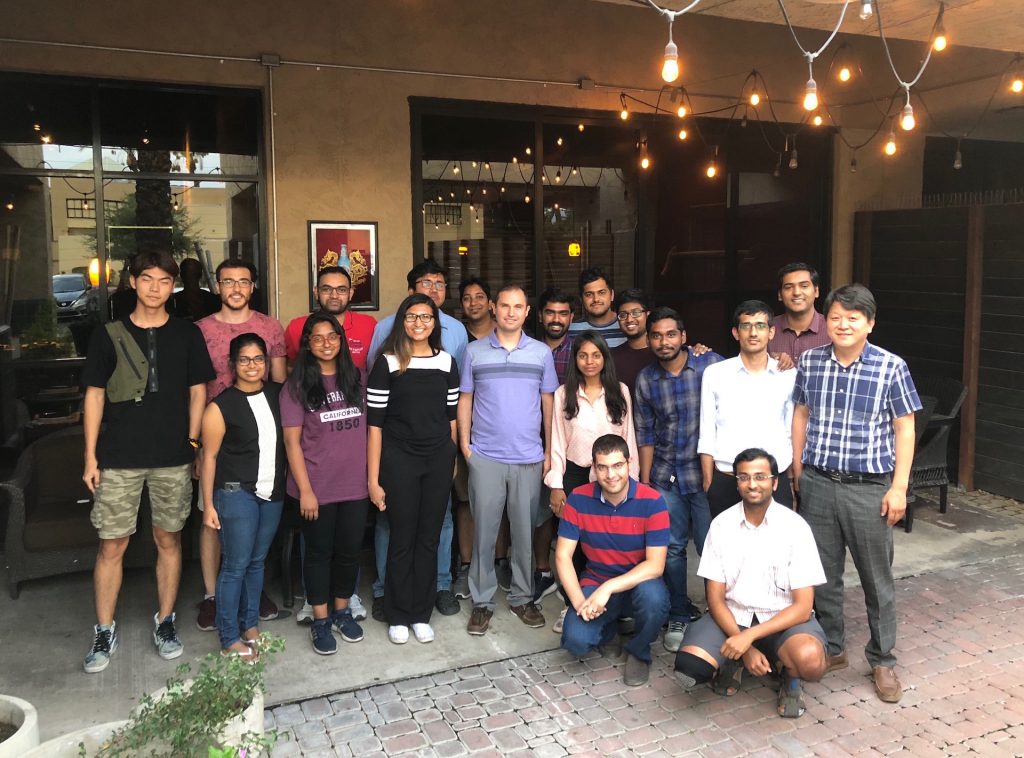
Fall 2018 Welcome
CODES+ISSS 2017
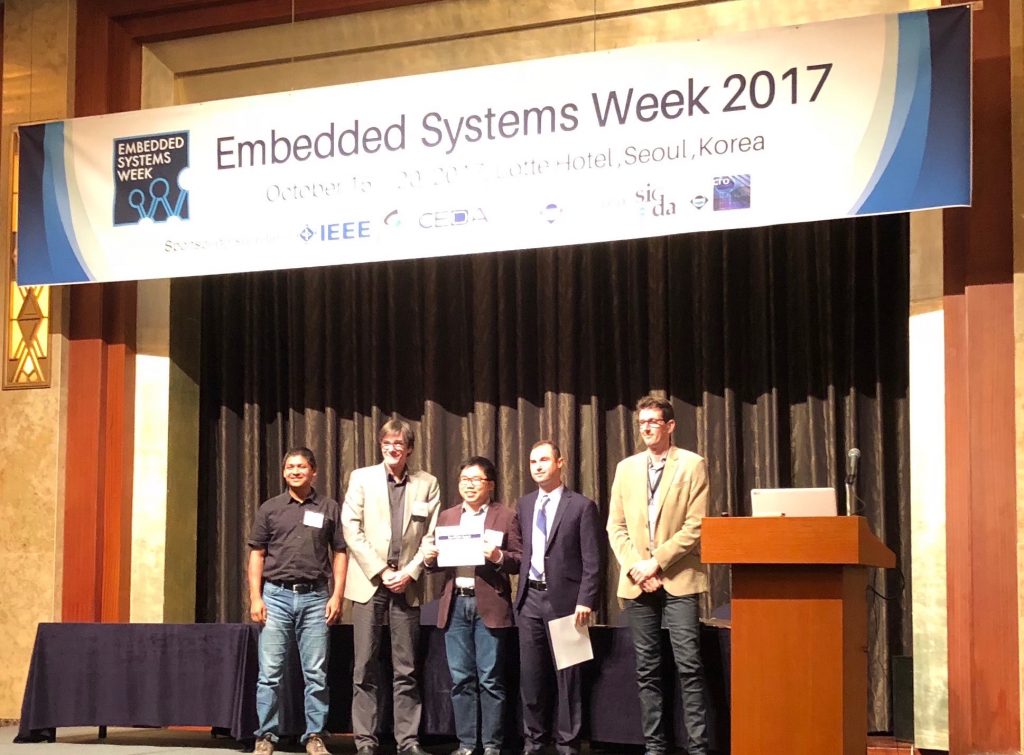
CODES+ISSS 2017 Best Paper Award
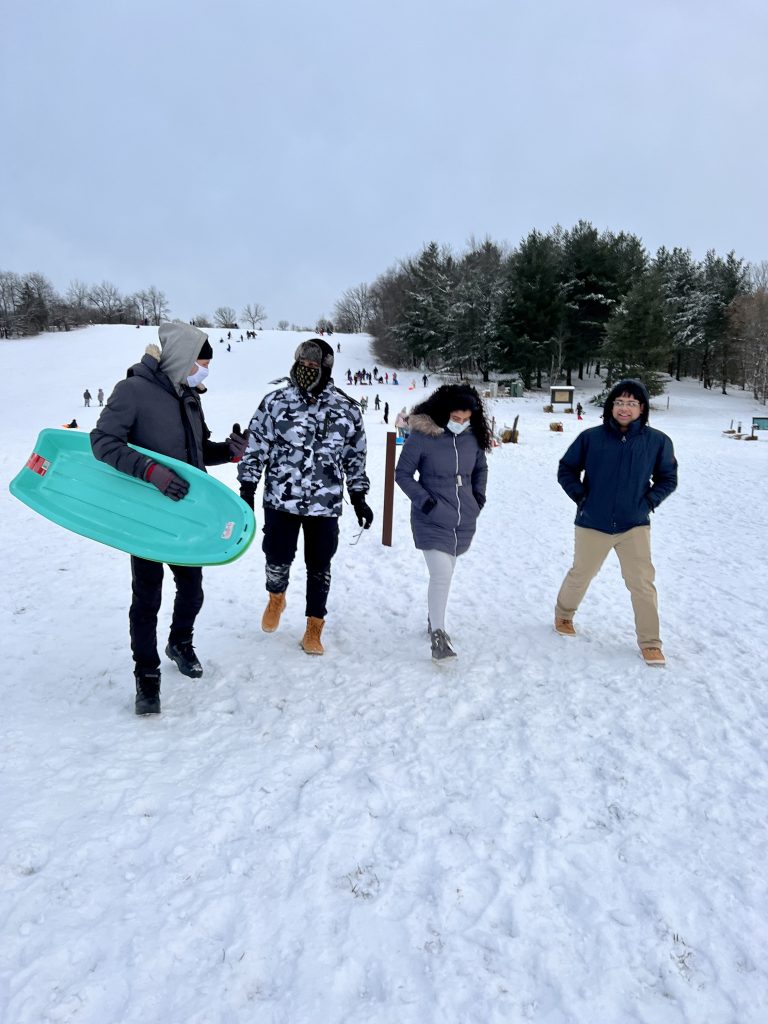
Sledding at Elver Park
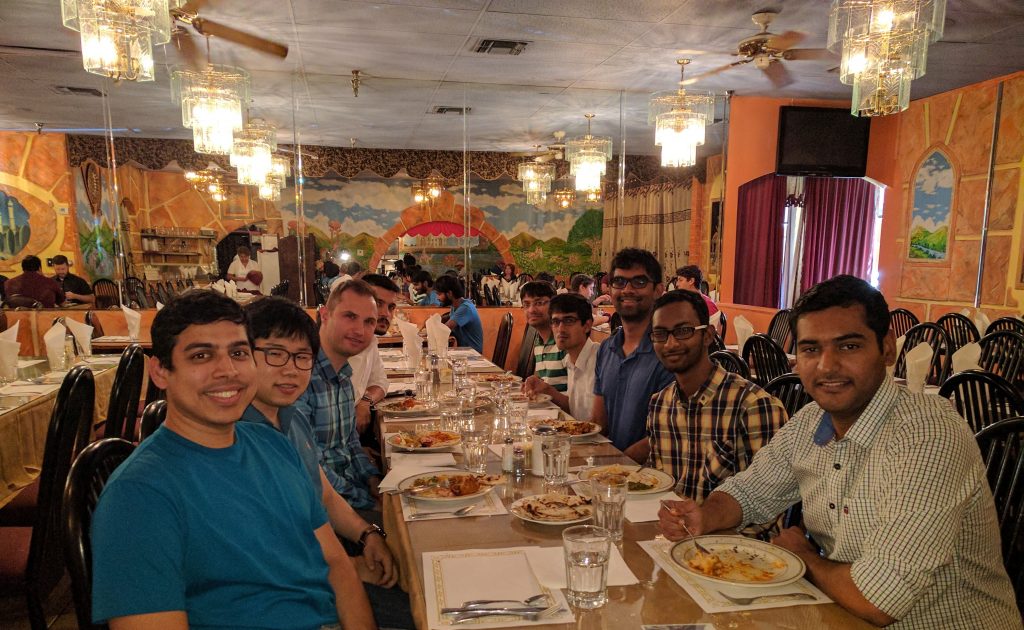
Jaehyun Park’s Farewell